

The Ferrari with Bicycle Brakes: How Scott Reid Learned to Drive Toward Contentment
A demanding finance career proved Scott Reid could push through almost anything. Living well with Tourette Syndrome taught him when to ease off the gas.
Sit down to talk with Scott Reid, and you get the immediate sense of someone who has found his footing.
He’s warm, quick, and disarmingly candid, and by any conventional measure, he has done well. From his early days in corporate development, buying and selling businesses, to his current role as a portfolio manager covering the energy sector out of Calgary, Scott has spent his career channelling a relentless drive into the analysis of complex, fast-moving markets.
That drive was forged early, and in an unlikely place. Scott has lived with Tourette Syndrome since he was twelve, and the same intensity that carried him to the top of a demanding profession was, for a long time, a way of outrunning something. A psychiatrist once described his wiring for him as: “a brain with a Ferrari engine, but its brakes are built for a bicycle.”
He would spend a good part of his life learning what that meant. First, that an engine like that can take you a very long way. And second, that horsepower without brakes eventually runs you off the road.

The First Time the Engine Redlined
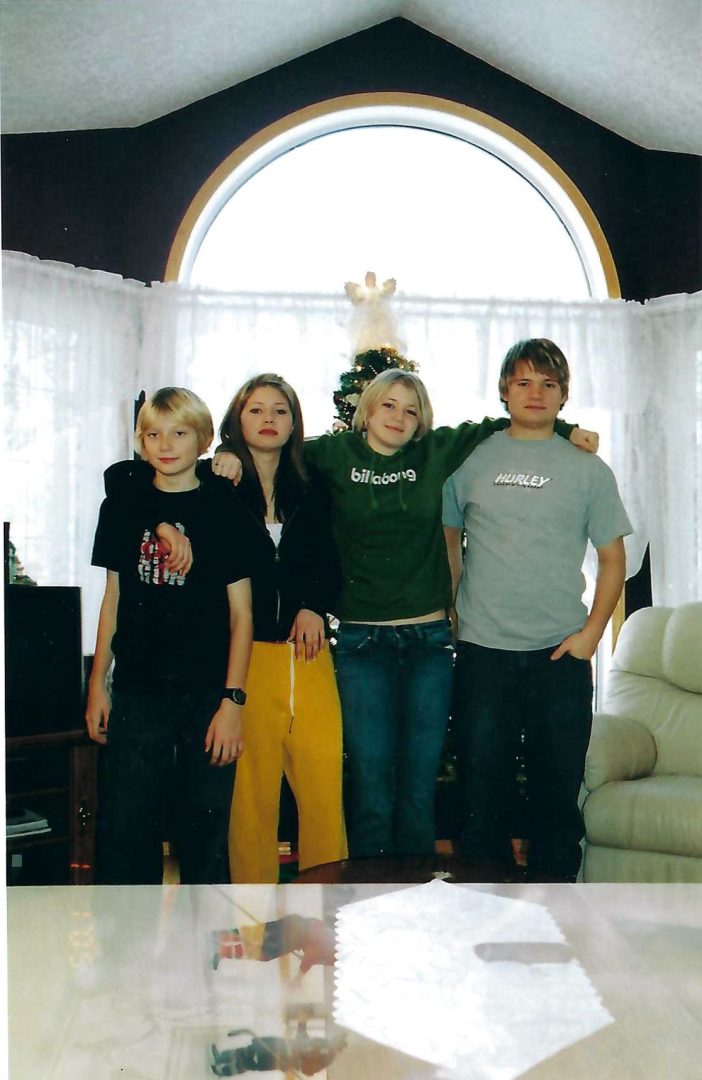
Scott grew up in the far north of Alberta, a competitive, athletic kid with big aspirations and a love of hockey. His parents noticed something as early as seven or eight: small arm and leg movements he couldn’t seem to control. By twelve, what he calls “full-on Tourette’s” had arrived, along with the involuntary vocalizations and the restless, imaginative brain that so often travels with the condition’s frequent companions, ADHD and OCD.
One early memory shows exactly what can happen when a kid is pushed to the limit with no way to slow down.
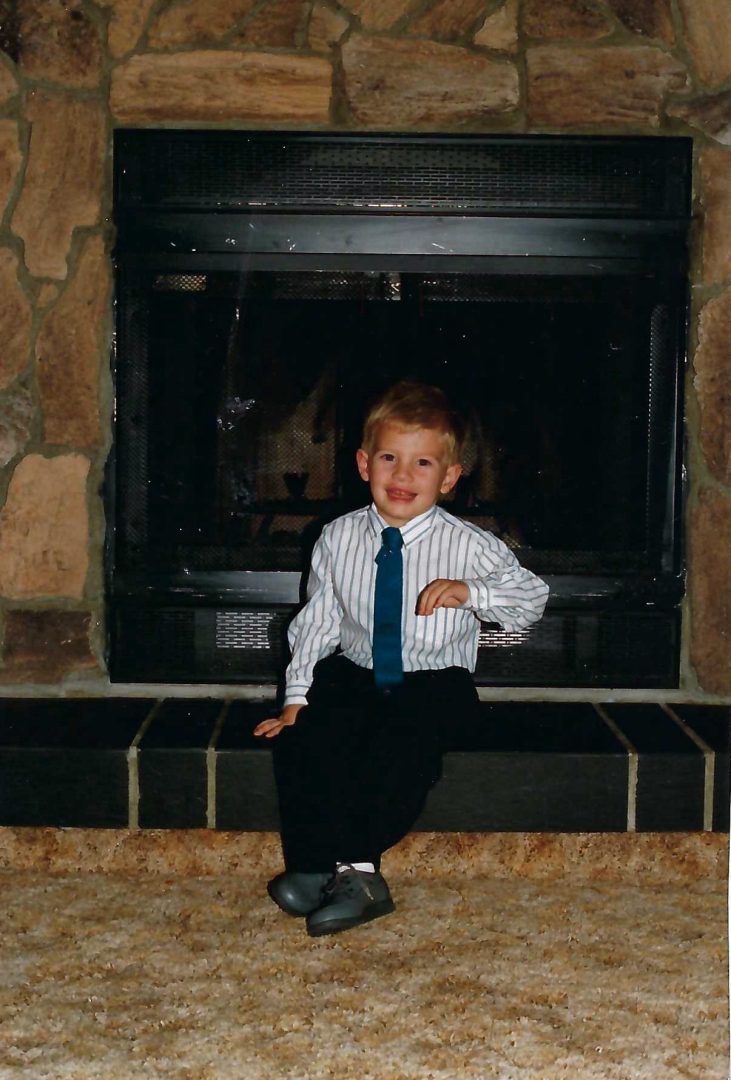
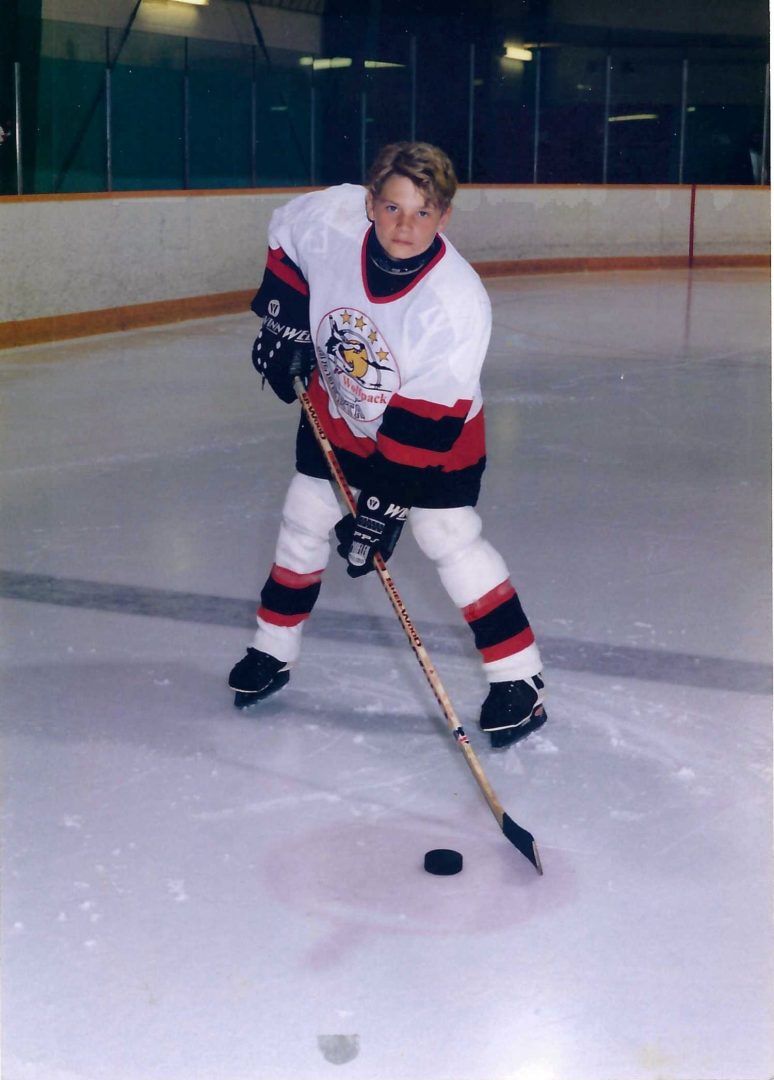
He was about 15, in the dressing room after a brutal practice, the type of flat-out character builder where the coach intentionally pushes the team to the edge so that they can climb back stronger. Scott had a sniffing tic then, and the harder the practice, the harder the sniffles gripped him. He kept sniffing and couldn’t stop until his body rebelled, and he suddenly threw up on his teammate’s equipment.
“It’s a very embarrassing moment,” he remembers. “You’re physically very uncomfortable, and now you’ve just done this thing that’s amplifying it.”
Nobody in that room had the words for what was happening. Scott couldn’t explain it either.
This was a time when awareness of Tourette Syndrome was thin, and the instinct of the adults around him, well-meaning but uninformed in the worst way, was simply to tell him to stop. To make it go away.
“The focus was maybe a little bit too much on stopping,” Scott says. “It became a little bit of a science project, almost. Which powder can we give you that makes this go away?”
Scott doesn’t blame anyone. But the highest cost was something he paid internally.
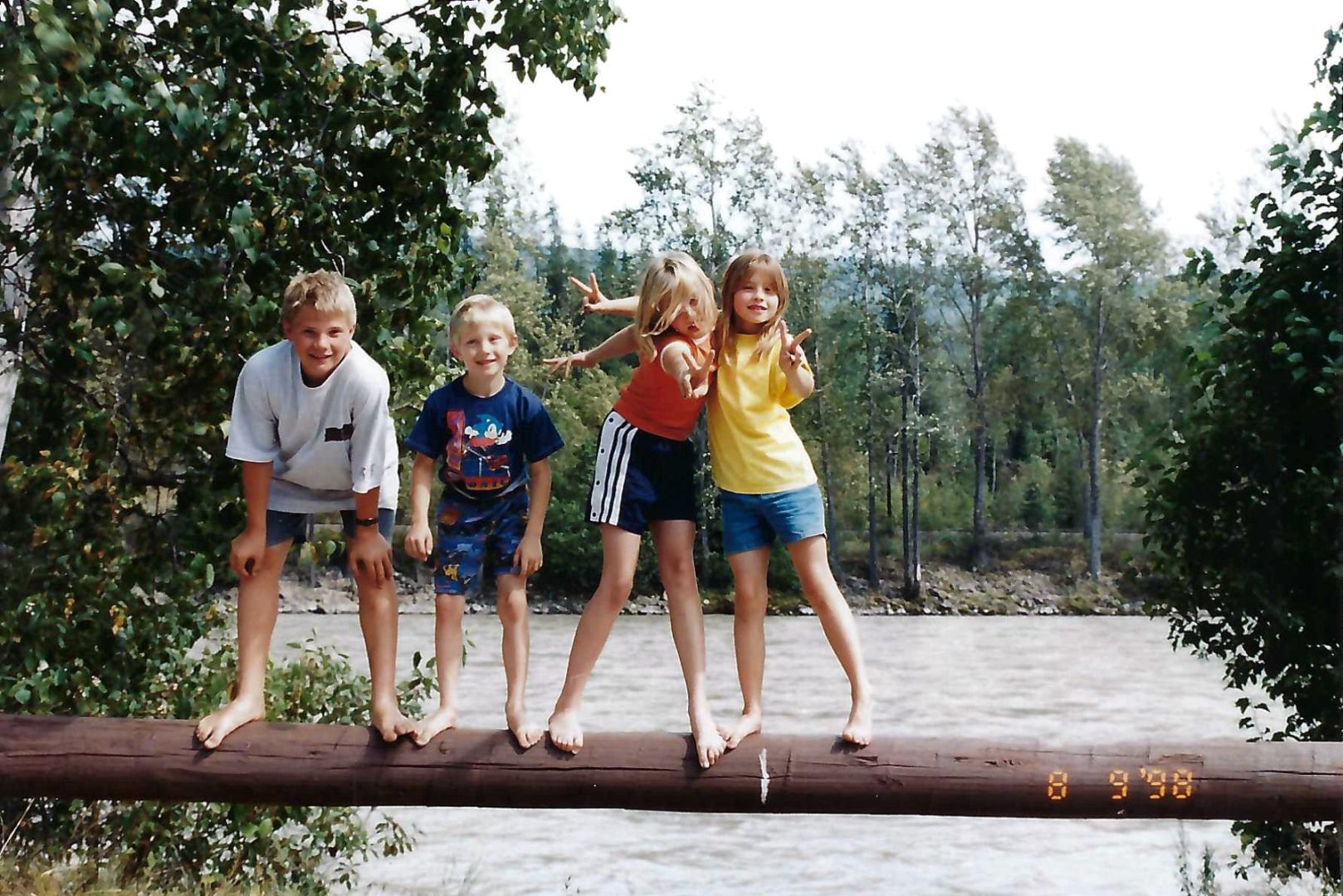
“Growing up with Tourette’s, you end up having a very honest, humble attitude,” he says. “You tend to look at the world pragmatically, realistically. And you’re a very independent thinker, because you’ve spent a lot of time not feeling like you fit in.”
Humility, Loathing, and the Push to Prove Them Wrong
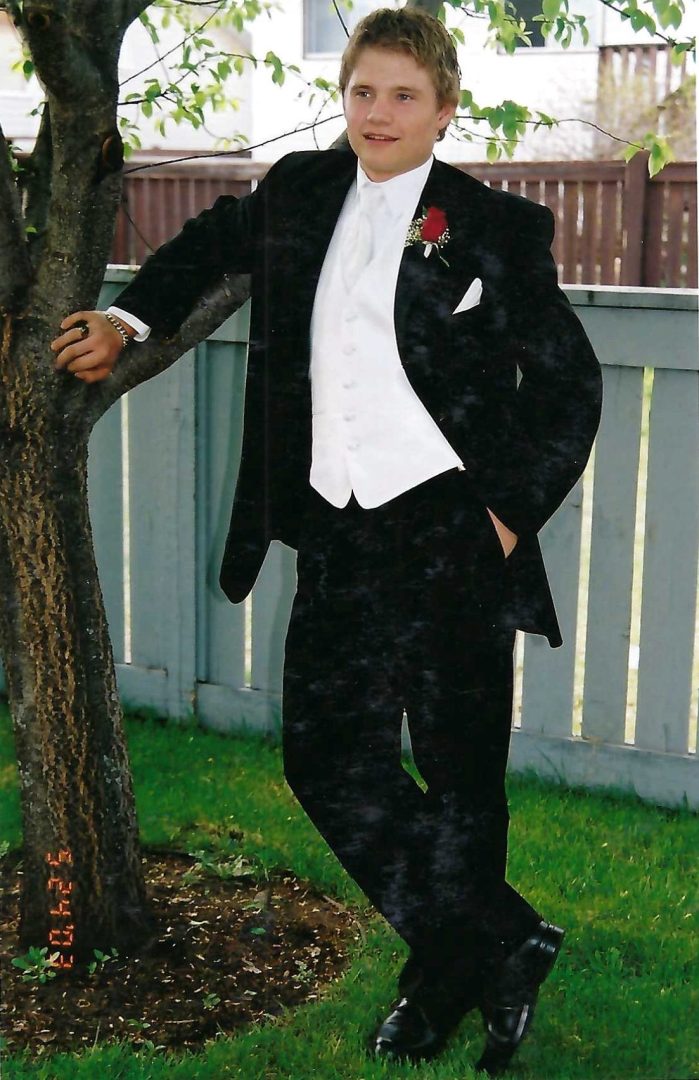
Being treated as a problem to be solved taught Scott something corrosive: “It solidified this view that there’s something defective about me,” he says. “And it’s not a strategy that works.” So Scott, compensating for that sense of defect, built a strategy that would carry him far before it nearly broke him. In a way, it was the strategy he was told to follow. Those loving but malformed directives left an indelible mark, for better and, in time, for worse. He didn’t stop his symptoms, per se, but he did decide to outrun them.
“Growing up with Tourette’s, you end up having a very honest, humble attitude,” he says. “You tend to look at the world pragmatically, realistically. And you’re a very independent thinker, because you’ve spent a lot of time not feeling like you fit in.”
And because his tics could be misread, judgment came as an adult, too. “I’ve had it happen where you get kicked out of places because somebody thinks you’re on something, or that you drank too much, because you’re twitching,” he says.
I know that odd, unspoken sort of pain. I have a neuromuscular disability, and I’ve been assumed drunk too, for the way I walk. The accusation spoils your self-worth in an instant. Suddenly, you’re reminded that the world sees you as a little off, and you’re not hiding it as well as you’d hoped. Worse, there’s a trap folded inside: you can start to become what they declare you to be. Why bury the pain any other way when you already look the part? At least then, the comment lands as fact, and not a cutting exposure of a difference you never chose and cannot change.
Scott’s mask came with pushing the throttle. Speed, perhaps, would make him blur, so fast, so effective, no one would see the defects.
The Engine that Could, Until It Couldn’t
For many years, pushing through looked like winning, because Scott finally found a track built for his high-intensity engine.
His father was a John Deere salesman whose clients were business owners, and young Scott spent hours around them, listening to men talk about building companies and doing deals. It lit something in him. He studied business, took a job in a public company’s corporate development department, and found himself increasingly drawn to the people working in the capital markets. He networked his way in, moved to Calgary, and built a career on the “buy side,” covering the energy sector at a major fund.
Here, at last, was a place that rewarded exactly the intensity he’d spent his childhood trying to contain. His conditions, he came to realize, were sometimes even an edge. Add ADHD to the mix, and he could triangulate complex information fast and reach his own conclusions. The Ferrari engine, pointed down the right road, was formidable.
But momentum can hide a lot. For years, the speed masked what was rattling underneath.
“That path ended up just not being sustainable,” he says. It led to “a lot of maladaptive ways of coping,” including, at times, excessive drinking.
Beneath the “I’ll show you” drive sat a current of low self-esteem, the old sense of being flawed that had never healed. Move fast, push through, stopping is death, and yet the doctrine was bringing its own kind of death, the agonizing kind. To keep his world manageable, Scott became a people-pleaser and highly conflict-avoidant, internalizing stress until the “I’ll show you” turned into a “who am I?”
“Who am I?”
The turning point came from his neurologist, who began sharing the statistics: how common these struggles are among people with Tourette’s. “That was a big, purposeful thing for me,” Scott says. “Okay, I need to help bring some support to these young kids so they don’t make these same mistakes.”
“When I was younger, it was a focus of, will the Tourette’s ever go away?” he says. “Now it’s more about living a life of abundance… being more focused on the blessings you do have.” He’s quick to note he’s still ambitious; the drive hasn’t gone anywhere. But contentment, he’s found, sits closer to real success than any metric: “learning to be present and enjoy the journey, as opposed to clinging to outcomes.”
Rock Bottom, and Learning to Slow Down
Two years ago, Scott hit what he calls a rock-bottom moment. His marriage fell apart. The depression he’d carried since childhood, and the secretive, shame-laced ways he’d learned to cope with it, caught up with him at once. He spent six weeks in a mental health facility.
He shares this deliberately because he remembers being a kid buckling under things no child should carry alone. “It’s kind of tragic when you think of a kid already having so much they’re going through with Tourette’s, and now to have this self-shame on top of it,” he says. “For me, what I’ve been through… I’m trying to just own it. And be like, hey, there’s a good ending here, no matter where you are right now.”
The good ending didn’t arrive as a cure. His most severe tics have subsided with age, but he still carries what he calls “a decent base load” of milder ones. What changed was his relationship to all of it. Working with therapists and counsellors, learning to set internal and external boundaries, and building a routine around exercise, rest, and genuine self-care, he finally learned how to slow down.
“You have to treat it like a marathon, not a sprint,” he says. There are lots of hills; the goal isn’t to crest the next one and be done, but to pace yourself across all of them.
Out of that came a word he keeps returning to: contentment.
“When I was younger, it was a focus of, will the Tourette’s ever go away?” he says. “Now it’s more about living a life of abundance… being more focused on the blessings you do have.” He’s quick to note he’s still ambitious; the drive hasn’t gone anywhere. But contentment, he’s found, sits closer to real success than any metric: “learning to be present and enjoy the journey, as opposed to clinging to outcomes.”
The blessings: Three kids—a nine-year-old daughter, a twelve-year-old son, and a fourteen-year-old daughter. A career he’s passionate about. And, still, hockey.
Scott is the first in his family to fully develop Tourette’s, the one who “brought it to light” that it might run in the family. His children haven’t developed it, though his oldest daughter has ADHD.
Parenting with Tourette’s is tiring in ways others might not clock, which is exactly why the work he’s done on himself has become an advantage. His kids watch him work out, meditate, and journal in the mornings. “As you become a wiser parent, you learn that your kids emulate what you do. No matter how much you tell them what they should do,” he says. “If they see you building positive habits into your life, that empowers them to do the same.”
Building the Support He Never Had
The instinct to build yourself better so you can support others led Scott to Tourette Canada, where he now sits on the board, chairs the programs and services subcommittee, and serves as treasurer, bringing his financial expertise to an organization in the midst of a rebuild.
The rebuild is no small task. Coming out of COVID and amid federal changes that pulled funding away from the independent provincial chapters that once anchored the organization, Tourette Canada saw programs lapse, and some chapters disappear.
Scott knew the answer wasn’t more speed. It was to put what he’d learned about himself to work, steadying the organization, and to do it this time alongside a community rather than alone.
The biggest financial challenge now, Scott says, is re-establishing the brand and the national network so donors trust the organization has “a clear directive and a lot of programs and services that are sustainable.” Momentum is returning: a full-time staff member, generous private and family donations, and grassroots efforts like a police curling bonspiel and a comedy night in Kelowna. Every dollar goes toward raising awareness of Tourette’s across Canada, informing families about existing supports, and building programs, services, and local support groups that create community around a widely misunderstood condition.
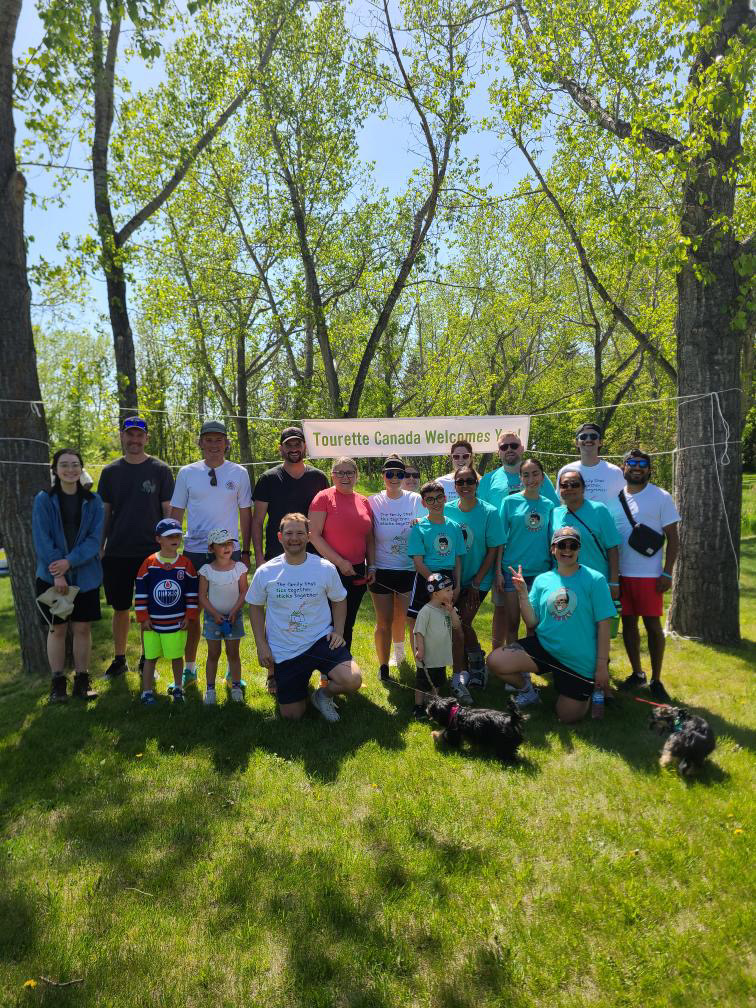
He’s also the reason Calgary now has a Trek for Tourette. Last spring, he launched the city’s inaugural walk, drawing a turnout of people living with Tourette’s along with the families and friends who support them, a nucleus of community he’s eager to grow. Organizing it was of a piece with everything else.
“It’s about making Tourette’s more a part of my story, being more vocal, just kind of owning it,” he says. “It’s amazing how much acceptance there is when you become more open. It’s socially not as limiting a factor as I grew up thinking it was.”
Ask Scott what success finally looks like today, and he describes a single child.
“If a kid starts developing Tourette’s, Tourette Canada offers a place to go to learn about the condition, find the healthcare resources to get a diagnosis and education, and get involved in support.” He imagines a one-stop shop: a single place that walks a person through every stage of the journey, from that first bewildering diagnosis to a lifelong network of peers and professionals.
It is, in other words, the resource that could have helped that scared twelve-year-old in a hockey dressing room.
“Even if you have Tourette’s, and even the associated conditions like ADHD or OCD, there is a way to build the supports around yourself and do the work on yourself so that you can thrive and have the life you want.”
“There’s a Good Ending Here”
If Scott could tell his younger self, or any young person living with Tourette Syndrome, one thing, it would be: “Even if you have Tourette’s, and even the associated conditions like ADHD or OCD, there is a way to build the supports around yourself and do the work on yourself so that you can thrive and have the life you want.”
The hard part isn’t the condition. It’s being willing to accept help. “It’s a much harder path to try and just do it yourself.”
For years, Scott’s answer to Tourette’s was to run the engine flat out, become a blur, and hope the road stayed straight. His life now—the career, the kids, the walk in Calgary, the seat at the table where the next generation’s support is being built—is what he found once he learned to gently pump the brakes.
Scott Reid is Treasurer of Tourette Canada, chair of its programs and services subcommittee, and an associate portfolio manager in Calgary. Tourette Canada provides education, advocacy, and community for individuals and families living with Tourette Syndrome and associated conditions across the country. This profile is part of an ongoing series spotlighting Canadians whose lived experience is reshaping how the country understands Tourette Syndrome.

Written By: Corey King
Corey King is an award-winning storyteller, designer and producer. He has written for the Winnipeg Free Press and Canadian non-profits including Tourette Canada, BizforClimate and the Interlake Tourism Association. He is also Studio Head at ZenFri Inc.